
We learn from our mistakes, and yes, that is true. When you start your blog, there will be many mistakes that happen in the process of learning.
But sometimes even experienced and professional writers make mistakes that don’t help their content appear beyond the third page.
These mistakes are unintentional, and the only solution is to avoid them to help you rank your content.
Even when I started my blog, I didn’t know many things, like how to write an SEO-friendly article so that it is liked by both search engines and readers. There is a lot to learn, from post creation to site map submission and content promotion, etc.
So yes, it’s not as easy as it sounds.
You need to take care of many things if you want your blog to be successful. Anyone who is looking forward to starting a blogging career must avoid certain mistakes that we have highlighted below.
Without wasting much time, let’s quickly learn about the common mistakes made by new bloggers and also the practical way to avoid them.
[What is WordPress | Best Static Web Hosting]
Table of Contents
Top 12 Mistakes That An Amateur Blogger Should Avoid In 2026
Every Amateur Blogger makes mistakes several times. That is a part of the learning curve, and it is pretty okay. But as we said above, we must learn from our mistakes to avoid repetition.
Even the Pro Bloggers were once novices, and they all learned from the errors they made.

They all give us just one tip – “You have to notice your mistakes and should not repeat them.”
If you want to increase traffic on your blog and want your pages to appear on the first page of Google, you have to work on the basics and follow the right path.
Writing content that covers causes, effects, real examples, and solutions can be considered a complete blog.
Okay, now it’s time to discuss them in detail. We request all new bloggers to just read them in detail and note them down carefully.
1. Choosing A Bad Domain Name
Not using a custom domain is the very first mistake that an amateur blogger does. Many newcomers or beginners go with the free domains, and they realize this mistake after wasting a lot of time and energy.
A domain name is your website’s address that simply tells you what content the website is based on. It essentially indicates the website title.
For example, my website has a domain name “Cheapandbesthosting,” which indicates that my all the contents will be based on affordable and best hosting service providers, hosting reviews, etc.

Yes, going with the custom domain may cost you a bit. But when you pay for your custom domain, you see better results for your blog.
You can find a custom domain with our domain checker and suggestion tool.
Impact of Not Using A Custom Domain
- Not An SEO Friendly: Custom domains are not SEO friendly, it affects the ranking of your content on the Google Search Results. Your audience may not take you seriously, as you are a blogger with a free domain.
- Limited Access: You don’t have full control over your free domain. The Hosting provider can fully control your domain and can delete it anytime if they find anything suspicious or something they find wrong that affects them.
Advice:
- Don’t rush for the free domain; always use the domain with security features
- Choose the domain name wisely, as the domain is your website address
- Domain name must be short and easy to understand, clearly highlighting the website niche.
2. Going With Cheap & Unreliable Hosting
Another common mistake that an amateur blogger does is opting for Cheap Hosting. Most of the web hosts today offering various freebies and discounts are ultimately not providing quality and security.
It’s very important to have a secure website, such as an SSL certificate, so that readers can trust your website.
A blog with no security is always on the target list of hackers.
We recommend FastComet and GreenGeeks to all amateur bloggers, as you can set them up easily and at an affordable price.[Read – Hosting Reviews for 2026].

Choose our Recommended Web Hosts – GreenGeeks | HostArmada | Bluehost
Recommended – Hosting Coupons | Black Friday Hosting Deals
Impact Of Using Cheap Hosting
- Fewer Features: – You may get a long list of commitments, but they are hardly met. As you go down in price, you get fewer features with a lot of restrictions. So, avoid this and choose wisely.
- Security Concern: – When you buy cheap hosting, many of the limitations come to the fore, of which the major concern is security. You should never compromise your hard work for security. Hackers do target the free and SSL-free websites.
Advice:
- Always use Web Hosts with security features and great uptime & speed, as both are important for the overall user experience.
- Don’t forget to see that the hosting must have an SSL certificate, DDoS protection, malware protection, etc.
- See if the freebies are not very restricted in use.
- Choose reliable hosting; you can see the reviews first.
3. Missing What Audience Search For
Missing the search intent in your content is a major flaw and makes it completely irrelevant for readers and Google as well.
The content should be actionable. If the audience doesn’t find their answers for what they searched on Google, the entire blog becomes incomplete and irrelevant.
Impact Of Missing Intent From Your Content
- Irrelevant Format: If you miss the basic topics to cover that the readers want to read and find the answer to, then the complete content becomes irrelevant, and the blog does not do justice to the topic.
- Readers’ Trust: If your content misses the major concern of the topic and avoids deep understanding of the reader’s mind, then slowly your content loses the trust of the audience, and even using keywords does not help to rank content in the search engine.
Advice:
- To avoid these mistakes, you should always remember to cover causes, effects, real examples, and solutions at the end.
- Mention the key problems that can be searched from “people also ask.”
- Stick to the topic and avoid covering irrelevant topics
- Give actionable advice.
4. Ignoring Readability
This happens often with new writers, as maintaining the flow and readability sometimes becomes a task. If your content looks messy and does not synchronise with each coming heading, then readers may lose their interest while reading.
Impact Of Ignoring Readability
- Confusing sentences: The readers may become confused if the language is complex and sentences are like a never-ending wall. This impacts the readers’ interest, and your content may lose its value.
- Unmanageable structure: If you as a writer avoid using clear headings, short sentences, using bullet points, etc., your content itself becomes unmanageable, and even Google doesn’t search for it.
Advice:
- Always create short paragraphs of not more than 2-3 lines.
- Use clear headings H1 to H6 and synchronise them with the flow
- Use bullet points wherever required to avoid using lots of paragraphs
- Always use simple language. Don’t complicate the text that confuses the readers
- Use images to grab attention and create attractive content
- Give actionable advice, not just highlight the problems
5. Avoiding SEO
Hey, if you are here, wait for a bit because this is a very important section of this article.
New Bloggers are like laymen in the Blogging field. They create content and publish it, but they hardly know how to optimize it for search engines.

If search engines are not able to understand the page, its purpose, and its direction, they will not be able to rank it.
[We recommend RankMath for SEO. Read our Rank Math Pro Review]
Impacts Of Avoiding SEO
- Google Ranking is Impossible: – Google Ranking is impossible when you avoid SEO for your website. It makes it difficult for Google to find your website among a bunch of websites.
Advice:
- All bloggers must know On-page, off-page, and Technical SEO.
- Advanced SEO even includes defining titles and alt text for images that you have used in your blog.
- Use the SEO toolkits to identify the keywords of your topic.
- Use SEO keywords in the heading structures, paragraphs, and even mention them in FAQs.
- Also, you must not ignore speed optimization. Use cache plugins like Cachify and CDN to boost your speed.
6. Neglecting “ABOUT” Section
The “ABOUT” section is one of the things that every visitor wants to see when they visit your blog. An About section contains information about your blog or yourself, your story, and how you started blogging. This is the must-have section of your website.

What To Cover In The “About” Section?
Your About section or page should cover these topics: –
- About Your Personal Life – You can share some lines about your personal life. Like who you are, where you are from, about your education and qualifications.
- Why did you start blogging? – Yes, this is the point that people like to read about your story. Visitors want to know why you started blogging.
- How did you get into this? – You can share your experience on how you got into blogging.
- What have you learned? – This can be a good point to share what you have learned from the experience of Blogging. Share this experience with your visitors.
Impacts Of Avoiding SEO:
- Content’s Reputation: Without a proper introduction of the writer or not mentioning the writer’s name can deplete interest and trust in the blog. We also have a curiosity to know the writer before reading the content. These small things directly impact the reputation.
Advice:
- About section plays a vital role in building trust and reputation for your content.
- Your blog’s About section should not be lengthy and not too short. It must have at least three paragraphs.
- People will like to read the About section of a website/blog if you are a blogger.
7. Zero Keyword Research
Keywords are very important in the post while you write it. You have to use your keywords so that Google can find them easily, and help the SEO to bring your page to the Google Search Results.
This is a major mistake that an amateur blogger does. He doesn’t focus on the keyword.

For example, we are writing on “Amateur Blogger Mistakes”, and you have read these words many times because this is one of the keywords of this article.
Impact Of Not Using Keywords:
- The Disadvantage of this amateur blogger mistake is the same that your content will lack SEO keywords and titles, and it will become difficult to rank your content in the search engine.
Advice:
- Avoid repetition of the keywords or overuse of keywords.
- Use similar words, long-tail keywords, short-tail keywords, etc.
- Do keyword research before you start writing the blog post
- Mention the keywords in the heading structures and paragraphs.
How can you find the relevant keywords for your blog?
Here are some Keyword research tools that you can use for searching the relevant keywords for your blog, as follows: –
8. Publishing Short & Incomplete Content
Publishing Short Content can be the cause of low traffic to your site and cause your page to vanish from the Google search results.
Also, not just word count but what ideas you show to your readers and addressing their doubts is equally important.

We have all seen many articles in the range of 400-500 words. This happens when you can’t explore your ideas, words, and imagination.
Impact Of Publishing Short & Incomplete Content:
- Google Ranking: Google ranks those articles that have a large number of words and complete knowledge about the topic is mentioned.
- Reader satisfaction: If you don’t address the reader’s intent for what they searched for, what the necessary points are to remember, and suggestions they are looking for. This will definitely not be enough to satisfy the readers.
Advice:
- Mention any particular topic and address these topics (why it matters, common mistakes to avoid, real examples, step-by-step guide, actionable suggestions, recommendations, etc.)
- Research the competitor’s article and find the average word counts
- Avoid repetition and short content length.
9. Ignoring Affiliate Marketing
Amateur bloggers don’t know about Affiliate Marketing. Affiliate Marketing means you sell and promote someone else’s products from your blog/website and earn money.
Affiliate marketing is important not just for generating a handsome income but also for satisfying the readers and followers you have.
Followers give you authority by trusting you in your particular niche. They come to you to know about new, reliable products and services.
Many bloggers also depend on Google Adsense. If your page is gaining traffic and a decent number of followers have been established. You can reach out to the affiliate programs of reputed brands and companies.
Impacts Of Ignoring Affiliate Programs:
- Content monetization: If you don’t connect with the advertisers, your page will slowly decline in ranking, and your hard work in gathering a decent amount of traffic will go to waste. After all, we all work for revenue generation.
- AudienceTrust: Once the audience starts following you, they feel connected, and trust builds in the products and services you promote.
Advice:
- Try visiting the affiliate page of reputed brands and companies once a week.
- Find those products and services to promote that match your niche.
- Use affiliate networks like CJ Affiliate and ShareASale to find reliable companies
- Choose programs that promote products that are accepted worldwide.
- Prioritize recurring commissions.
Pro Tip: You should always promote reliable and verified products and services.
10. Ignoring Link Building
Building links is very important in blogging. When you have different links coming to your blog, the chances of increasing traffic on your site are high.
Many of you have heard about backlinks. Backlinks mean your site’s link is promoted by another website. But it doesn’t mean that you start making backlinks from the 2nd day.
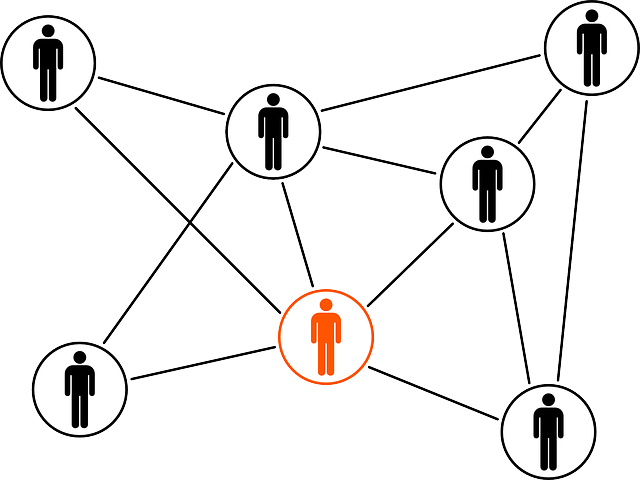
Instead of doing this, first you should start with internal linking and focus on the quality of your article.
Impact Of Ignoring Link Building:
- Traffic generation: Linking helps in increasing the ranking of the content, as it is easy for search engines to crawl your blog when a searcher searches for a particular topic. If you avoid using any links, the traffic starts declining.
- Trust and authority: When someone mentions your blog link on their page, or you use internal linking in both the cases search engine builds a trust in your blog. With zero links, your page may feel an adverse impact.
Advice:
- One of the easiest links is internal linking, where you can link your relevant blogs to another blog.
- Once you have covered 40-50 articles and have completed 4-5 months in blogging, then start building backlinks.
- These links will help in developing traffic on your pages.
Backlinks may help you grow traffic and build an audience for your blog. Many outside users come to visit your page, and they join you when they like your blog’s content.
So, don’t avoid creating backlinks for your blog.
11. Avoiding FAQs
What if your content is full of attractive headings and actionable answers but fails to address the common doubts and questions your audience have? Not relevant, right?
So, to avoid missing those common questions we are unaware of, an FAQs section is crucial to mention at the end of every blog.
Impact Of Avoiding FAQs:
- FAQs can be considered as the supporting ideas that help in addressing the missing doubts and the readers’ intent they searched for. If avoided, the search engine may consider your blog irrelevant as per the solution.
Advice:
- Always mention the questions that are shown in the “people also ask” section while you search for your topics.
- To find more such topics, you can scroll down to the end of your page and see the topics in the “People also search for” section.
- Answer the questions in short sentences (to the point); don’t explain in detail.
12. Not Investing and Avoiding Regular Updates
Many amateur bloggers are scared to invest money in their blogs. We can understand if you are a beginner or a starter; you are not supposed to invest your money in this field.
But you know what, Blogging is also a real business, because when you invest money, then you start earning.

Investing in a blog means purchasing the useful plugins, themes, and necessary tools that are required for our website to grow.
Impacts Of Hesitating In Investing in Blogs:
- If you are hesitant about investing in the blog, then believe us: investing in upgrading and updating the features multiplies your content visibility; otherwise, if you avoid it, the content may deplete its ranking.
- Unlocking new features makes the content attractive and eye-catching.
Advice:
- Regularly updating the WordPress themes and plugins helps in growing your content.
- Invest in plugins that will help your blog to grow, paid Ads, and other tools that will help you to build an audience and increase traffic.
You can So the point is that if you wanna earn from your blog, you have to invest in your blog.
[Related: GeneratePress Theme Review]
Tips To Transform Yourself From Amateur Blogger To Pro Blogger
How Amateur Bloggers Can Become Pro Bloggers?
With the Pro Tips that are proven and time-tested, we recommend them to all aspiring bloggers for success in 2026.
We already discussed above what are mistakes that an amateur blogger makes. Now we will learn how we can transform ourselves from amateur bloggers into professional bloggers.
Here are some basic and common points that will help you to become a professional blogger.
1. Choose Your Niche Wisely
We have discussed niches in our many articles and posts. You have to select a proper niche for you that suits well with your interests; you should have proper knowledge about your niche. [Recommended – Learn Blogging]
Also, make sure you always stick to your niche and your content must revolve around that.
For example: if your niche is selling merchandise, such as custom mugs or t-shirts, then you need to create content related to the niche.
So, before starting a blog, you should have a niche for your blog.
You can get to know how to start a WordPress blog from here.
2. Focus On Quality Content
This is very important for every blogger to focus on the quality of their blog’s content. Create content that is unique and authentic. It should not detect any plagiarism.

Plagiarism is something that Google hates. When Google finds the same content again, Google marks it as Plagiarism (Copied Content) and will not rank your page in its search results.
3. Consistency
Consistency is very important in this profession. If you are not regular with this, your blog can’t grow.
Many amateur bloggers make this mistake: they start writing a blog but, after one or two months, the consistency is affected.
The best solution is to make a commitment to post one blog in a week on the same day, same time. We assure you that this will make readers follow you, and your audience will be waiting for your next post.
4. Blog Promotion
When you publish your post, have you ever wondered how people will know that you have posted something on your blog?
So the answer is simple: you have to promote your blog. This is a common mistake that is made by amateur bloggers.

If you want to grow your blog, then you have to promote your blog, invest some money in promotions, create ads, share your blog, etc.
Here are some ways that you can promote your blog: –
– Send Push Notifications
You can send push notifications to your subscribers whenever you post something new on your blog. Use the OneSignal tool.
– Create Communities On Social Media Platforms
Social media is one of the best platforms to grow your audience. You can create your Groups, Pages, etc on them, and can build an audience from there. Use Facebook Groups and Pages, be active on Twitter and Reddit, and many other platforms are available to grow your blog.
– Google Search Advertisement
Invest in Google Search Advertisement for your blog. Here, Google will advertise your blog to build the audience and traffic. This is also the best way to promote your blog.
5. Start Engaging With Top Bloggers
Start Engaging with Top Bloggers. Yes, build your environment so that you are connected with successful bloggers.
When you connect with them, they will help you to grow your blog. How? They may share your blog’s links that will help you to increase your traffic and build your new audience.
So, we hope now you know why you should engage with Top Bloggers.
Here are some top blogs that give you blogging tips, mentioned below: –
So, these are some YouTubers who give tips to improve your blogging. Subscribe or follow them to know more about blogging and if you want to be a pro in blogging passion.
Know more What Professional Bloggers do?
Conclusion: Go And Start Your Blog Like A Professional
In this post, we tried to tell you those mistakes that every amateur blogger makes, and if you have read this article, we hope you will not repeat these mistakes in your blog.
Now it’s your time to start a blog like a professional. It takes time to succeed.
So this is all from our side; we hope we cover every point and clear your doubts. If you still face any doubts and queries, do comment below in the comment section.
One more thing: if you find this article helpful for you. Let us know your comments.
Thanks.
FAQs
What are common blogging mistakes?
Common blogging mistakes are using complex language, lack of SEO keywords, missing search intent, avoiding FAQs, long paragraphs, improper heading structure, violating copyright, plagiarism, etc.
Why do bloggers fail to make money?
Bloggers need to pay attention to the quality of the content. Content must answer all the basic questions that the readers are searching for. Also, promoting affiliate programs needs a plan, and if the audience is not satisfied, your blogs will not generate income.
Will AI replace bloggers?
No, AI will not replace the bloggers as still the audience believes in the human writers rather than AI generated texts but involving AI for the research of the topic, in depth analysis will help a lot to bloggers to gather information in less time
Why do blogs fail?
The main reason why bloggers fail is that they are not continuous and do not publish unique content in their blogs. Afterward, they don’t get the traffic on their website, as the copied content comes under Plagiarism.
What are the six steps to creating a blog?
The six major steps to creating a blog are: –
1. Choose a niche.
2. Create an account on WordPress.com.
3. Pick a domain name that relates to your blog.
4. Customize your design.
5. Write some unique content.
6. Publish your Blog.
About Author: Vishesh Gupta

Seasoned Professional with 15 years of experience in Sales and Marketing. Entrepreneur, Consultant and Blogger helping people earn through jobs and blogging. Experienced Hosting Reviewer who likes to collect detailed info about existing players and share it with my audience. Previously worked with leading Banks and Telecom Companies.
I completed my Masters in Management with specialization in Finance and Marketing.
Visit our Hosting Review and Blogging Guide for more interesting articles.
Thank you very much for this useful information. This list of mistakes to be avoided will surely help me for my new blog I am planning to start.
you are welcome Disha.